Bruce Bennett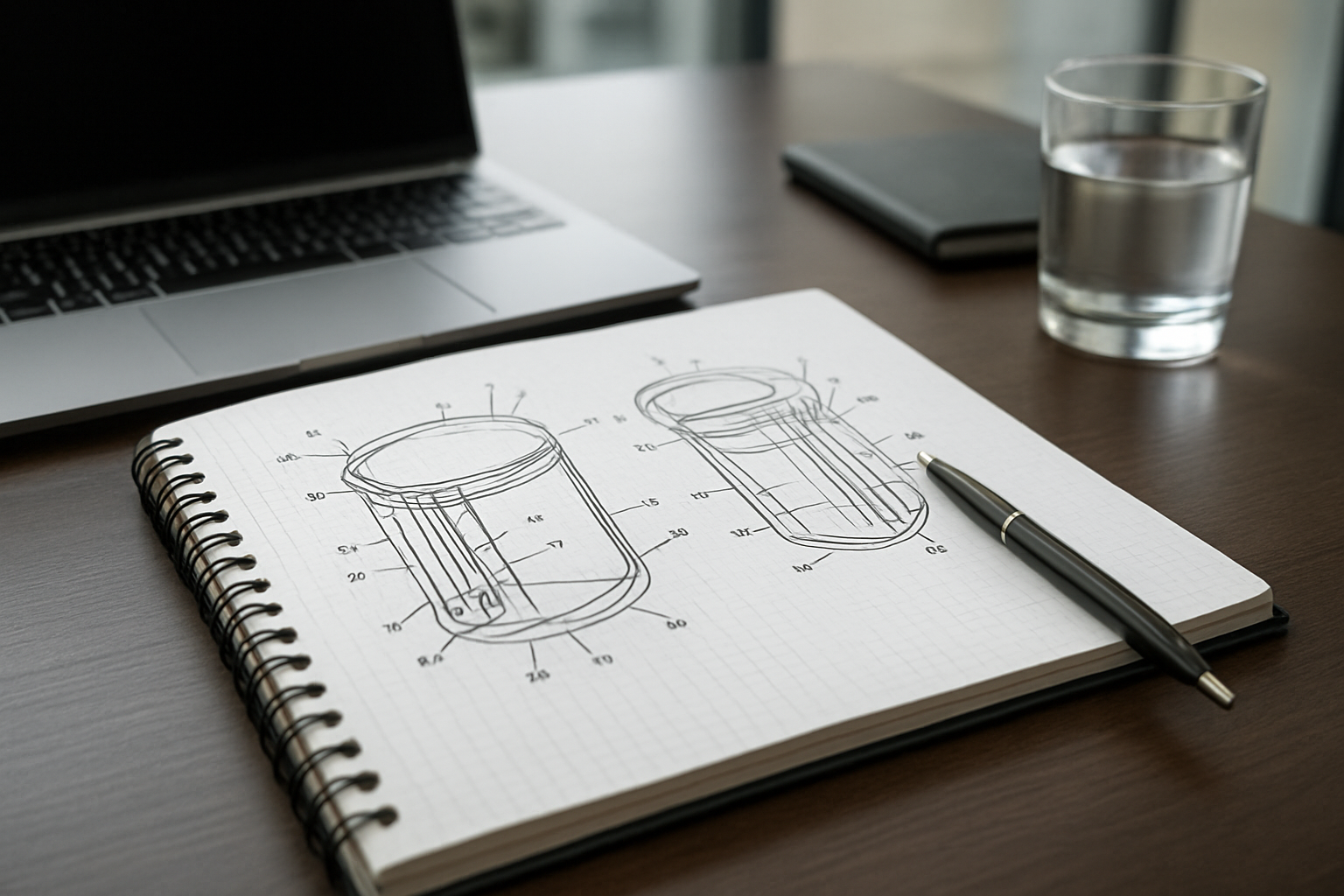
What Makes a Patent Application Strong and Effective?
Developing an invention is an important achievement, but presenting its technical value clearly requires careful preparation. A well-organized patent application helps explain how an invention works, identifies its distinctive features, and establishes a foundation for seeking intellectual property protection. For entrepreneurs, engineers, and research teams in Denver and across Colorado, a structured preparation process can make innovation management more efficient. Tracking development milestones, reviewing technical documentation, and evaluating measurable indicators can also help inventors understand their progress. A practical strategy combines technical accuracy, organized evidence, and a clear understanding of how the invention may serve future commercial needs.
Why Should Inventors Define Their Invention Before Filing?
A clear definition gives the entire preparation process direction. Inventors should begin by explaining the problem their invention addresses, the technical solution it introduces, and the features that distinguish it from existing approaches.
This initial assessment helps transform a broad concept into a detailed technical description. For example, an inventor developing an energy-efficient device should document its operating principles, important components, and measurable performance characteristics.
Useful preparation indicators include the number of documented design iterations, completed prototype tests, identified technical features, and resolved engineering questions. Monitoring these details helps teams establish a reliable development record before moving into formal application preparation.
For businesses in Colorado, defining an invention early can also improve coordination between technical specialists, business managers, and intellectual property professionals.
How Does Prior Art Research Improve Application Preparation?
Prior art research helps inventors understand the existing technical landscape before finalizing their application. This research may include published patent documents, technical journals, product descriptions, and other publicly available information relevant to the invention.
The objective is to identify similar developments and understand where the proposed invention offers distinctive technical characteristics. Research findings can guide the description, support more focused claim development, and help clarify the invention’s potential scope.
Inventors can measure research progress through indicators such as the number of relevant documents reviewed, technical similarities identified, and distinctive features documented.
A structured research process also helps businesses make informed decisions about development priorities. Professional assistance can be valuable when interpreting complex technical documents or evaluating patentability requirements.
Which Documents Should Be Prepared Before Filing?
Organized documentation provides the technical foundation for a strong application. Although specific requirements depend on the invention and applicable filing rules, several records can help inventors prepare effectively.
Technical description: Explains the invention’s purpose, operation, components, and relevant variations.Drawings and diagrams: Illustrate important structures, arrangements, or process stages where appropriate.Prototype records: Document the development and testing of working models.Experimental results: Present relevant measurements that demonstrate how the invention performs.Development history: Records design changes, technical decisions, and important milestones.Inventorship and ownership information: Helps clarify who contributed to the invention and how relevant rights are held.
Technical description: Explains the invention’s purpose, operation, components, and relevant variations.
Drawings and diagrams: Illustrate important structures, arrangements, or process stages where appropriate.
Prototype records: Document the development and testing of working models.
Experimental results: Present relevant measurements that demonstrate how the invention performs.
Development history: Records design changes, technical decisions, and important milestones.
Inventorship and ownership information: Helps clarify who contributed to the invention and how relevant rights are held.
Maintaining these records in a consistent format can reduce preparation delays and improve communication. Denver-based startups and research organizations can benefit from using shared documentation procedures across their engineering and product development teams.
How Can Statistics Help Demonstrate an Invention’s Technical Value?
Measurable evidence can make an invention easier to evaluate. Where relevant, inventors should record performance indicators that explain how their technology functions under defined conditions.
For a new manufacturing process, useful measurements might include production time, material consumption, output consistency, or energy requirements. For a software-enabled technical system, relevant measurements could include processing speed, system response time, or resource utilization.
Comparing results against an established baseline helps communicate the practical effect of the invention. A simple performance table can record the testing conditions, measurement units, baseline result, and observed result.
Statistics should accurately represent the available evidence. Clear methodology and reproducible testing provide a stronger technical foundation than unsupported performance claims. These measurements can also help businesses identify promising applications for future product development.
What Makes Patent Claims Clear and Valuable?
Patent claims define the protection being requested for an invention. Their preparation requires careful consideration because the wording establishes the boundaries of the proposed legal protection.
A strong approach begins by identifying the invention’s essential technical features and explaining how those features work together. The description and drawings should adequately support the claims, while relevant technical variations may be addressed where appropriate.
Inventors should avoid relying exclusively on broad statements about benefits or intended results. Concrete technical explanations generally provide a more useful foundation for claim development.
Working with a qualified patent professional can help align the claims with the invention’s technical details and applicable legal requirements. This collaboration is particularly valuable when an invention includes multiple components, alternative configurations, or specialized engineering principles.
How Can Inventors Track Patent Preparation Progress?
A preparation dashboard can help inventors monitor the work required before filing. Rather than measuring progress through document volume alone, teams can track whether essential preparation tasks have been completed.
Useful indicators include the percentage of technical drawings finalized, the number of outstanding documentation questions, the completion rate of prior art research, and the time required to review application drafts.
For example, a business could review its preparation dashboard every two weeks to identify completed tasks and coordinate upcoming reviews. This approach supports accountability and helps technical contributors stay aligned with filing objectives.
Progress measurements should reflect the quality and completeness of the work, not simply the speed of preparation. A carefully reviewed application provides a more dependable foundation for the examination process.
Why Should Confidentiality Be Considered Before Filing?
Confidentiality helps organizations manage sensitive technical information while preparing an invention for protection. Inventors should coordinate discussions, demonstrations, publications, and product announcements with their filing plans.
Public disclosure can affect patent rights, particularly when protection is sought in multiple countries. Appropriate confidentiality agreements and controlled access to technical records can support responsible information management.
Businesses in Denver and throughout Colorado can establish internal procedures for recording invention disclosures and reviewing planned external communications. Coordinating these procedures with qualified patent professionals helps teams make informed decisions about timing and filing requirements.
Conclusion: How Can Careful Preparation Strengthen Your Patent Strategy?
Preparing a strong patent application involves more than completing paperwork. It requires a clear technical description, thoughtful prior art research, reliable documentation, relevant performance statistics, and carefully developed claims.
By tracking preparation milestones and involving appropriate professionals, inventors can improve organization and connect their technical achievements with future business opportunities. For entrepreneurs and innovative companies in Denver and across Colorado, a disciplined preparation process creates a practical foundation for intellectual property planning. Combining technical evidence with clear documentation and strategic decision-making helps transform promising inventions into opportunities for long-term development and commercial success.
The Short Version
- A well-organized patent application helps explain how an invention works and establishes a foundation for seeking intellectual property protection.
- Inventors should define their invention early by explaining the problem it addresses and its distinctive features, which aids in the preparation process.
- Prior art research allows inventors to understand existing developments and improve the focus of the application by identifying distinctive technical characteristics.
- Organized documentation, including technical descriptions and prototype records, is crucial for a strong patent application and helps reduce preparation delays.
- Measurable evidence, such as performance indicators, can demonstrate an invention’s technical value and facilitate its evaluation for potential applications.


 Nicholas Evans